




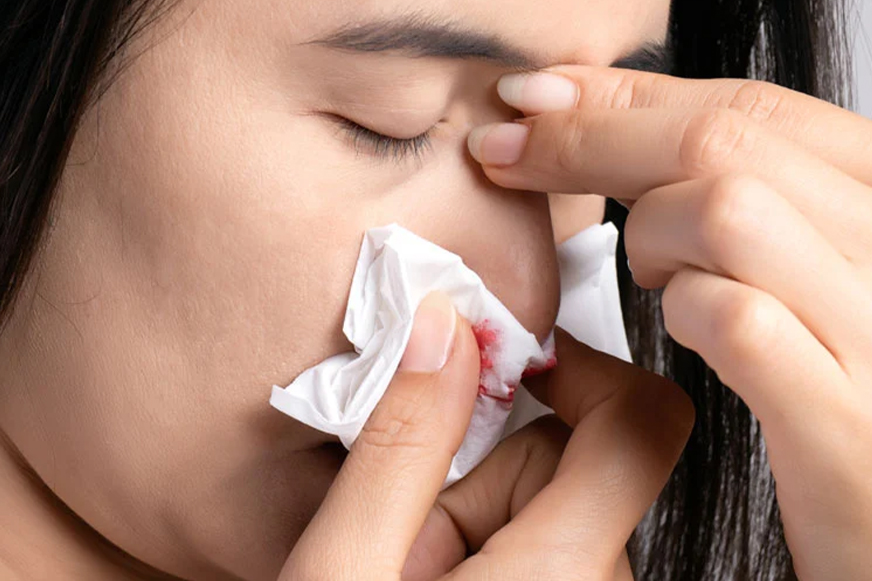
Nosebleed (Epistaxis)
Nosebleeds are common in children and can usually be controlled with proper first aid and care.
Nosebleeds, medically known as epistaxis, are a common condition, especially in children. Although they may appear alarming, most nosebleeds are harmless and can be easily managed with simple first aid measures.
Parents often feel anxious when a nosebleed occurs suddenly. However, understanding the causes and knowing how to respond can help manage the situation effectively.
Causes of Nosebleeds
Most nosebleeds in children originate from the anterior (front) part of the nose, where small blood vessels are located close to the surface. These vessels can easily rupture, leading to mild and short-lasting bleeding, usually from one nostril.
Common causes include:
- Nose picking
- Trauma or injury to the nose
- Nasal fractures
- Facial or skull injuries
- Upper respiratory infections
- Dry air or irritation
First Aid for Nosebleeds
Proper first aid is essential in controlling a nosebleed. The most important step is to stay calm and act correctly.
Follow these steps:
- Sit upright and lean the head slightly forward
- Pinch the soft part of the nose with two fingers
- Maintain pressure for 3–5 minutes without releasing
- Afterward, gently clean the nose if needed
- Remove any clots carefully
- Reapply pressure if bleeding continues
If the bleeding does not stop or frequently recurs, medical attention should be sought.
When to See a Doctor
- Bleeding lasts longer than 10–15 minutes
- Frequent or recurrent nosebleeds
- Severe bleeding after trauma
- Accompanied by other symptoms (dizziness, weakness)
Treatment Methods
Depending on the cause:
- Medical Treatment:Nasal sprays or ointments
- Treatment of infections
- Procedures:Cauterization of bleeding vessels
- Nasal packing (in severe cases)
Sıkça Sorulan Sorular
Nosebleed (Epistaxis) hizmeti hakkında en çok merak edilen sorular ve cevapları.
Buruna darbe, enfeksiyonlar, burun karıştırma ve kılcal damar çatlamaları en sık nedenlerdir.
Baş hafif öne eğilmeli, burun kanatları sıkılarak birkaç dakika baskı uygulanmalıdır.
Kanama uzun sürüyorsa, sık tekrarlıyorsa veya şiddetliyse mutlaka KBB uzmanına başvurulmalıdır.