


Endoscopic Sinus Surgery (ESS)
Endoscopic sinus surgery is an effective modern procedure used to treat sinusitis and nasal obstructions.
Endoscopic Sinus Surgery (ESS) is increasingly preferred due to its advantage of causing minimal surgical trauma. It is also widely used in procedures such as tear duct drainage surgery (dacryocystorhinostomy) and the surgical treatment of pituitary gland adenomas (endoscopic hypophysectomy).
The sinus regions around the nose have a narrow and complex anatomy and are located close to critical structures such as the brain, eyes, optic nerves, tear ducts, and carotid arteries. Therefore, endoscopic sinus surgery requires not only extensive training and experience but also high technical precision with minimal margin for error.
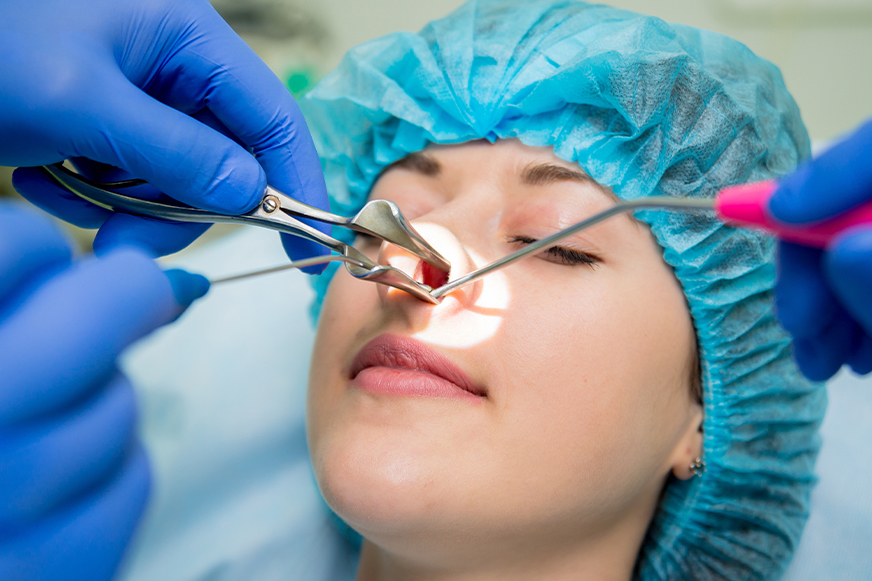
In this surgical procedure, the sinuses are accessed through the nasal passages using an endoscope. Diseased tissues are carefully removed without damaging surrounding structures, and the natural drainage pathways of the sinuses are opened. This helps restore normal physiological function after the operation.
Endoscopic surgery aims to preserve sinus function and correct impaired physiology, resulting in highly successful outcomes. With the help of high-definition endoscopes and specialized microsurgical instruments, along with proper technique and postoperative care, ESS can significantly resolve chronic sinusitis.
Main Procedures Performed with ESS in Chronic Sinus Disease:
- Removal of inflamed tissues and nasal polyps
- Opening of sinus drainage pathways
- Correction of anatomical issues such as:
- Concha bullosa
- Accessory sinus openings
- Abnormal mucosal contact areas
During ESS, especially in cases where advanced technologies such as navigation systems, balloon sinuplasty, and shaver devices are used, general anesthesia is typically preferred for patient and surgeon comfort.
The duration of surgery varies depending on the extent of the condition and whether additional procedures are performed, such as septoplasty (deviated septum correction), rhinoplasty, turbinate reduction, or correction of anatomical variations. While treatment of a single sinus may take around 15 minutes, more extensive procedures involving all sinuses may take over 2 hours.
Unless additional procedures like turbinate reduction require it, nasal packing is generally not necessary after surgery, allowing patients to breathe comfortably. At the end of the procedure, special materials may be placed under the middle turbinate to prevent bleeding and adhesions during healing. These do not negatively affect nasal breathing.
Sıkça Sorulan Sorular
Endoscopic Sinus Surgery (ESS) hizmeti hakkında en çok merak edilen sorular ve cevapları.
ESC, sinüslerdeki iltihap, polip ve tıkanıklıkları burun içinden girilerek yapılan modern cerrahi yöntemle temizleme işlemidir.
Ameliyat süresi hastalığın yaygınlığına göre değişir. Basit vakalar 15 dakika, kapsamlı operasyonlar ise 1-2 saat sürebilir.
Çoğu vakada tampon kullanılmaz. Kullanılsa bile nefes almayı engellemeyen özel materyaller tercih edilir.