




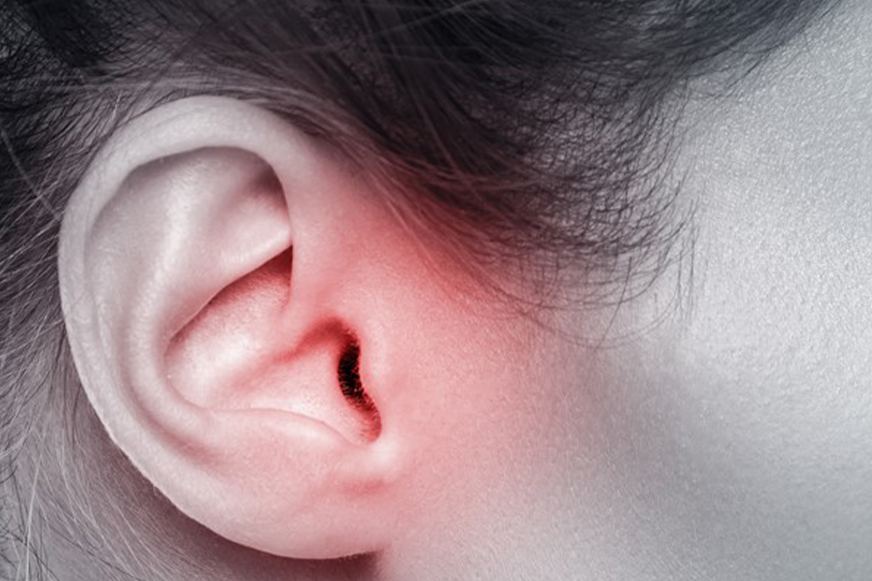
What Is the Ear? (Structure and Functions of the Ear)
The ear is a vital sensory organ responsible for hearing and balance, consisting of three main parts: outer, middle, and inner ear.
The ear is an essential organ that enables both hearing and balance. It is anatomically divided into three main parts: the outer ear, middle ear, and inner ear, each with specific functions.
Outer Ear
The outer ear consists of the auricle (pinna) and the ear canal, which extends to the eardrum. Its primary function is to collect sound waves and direct them toward the eardrum.
The ear canal is approximately 3.5–4 cm long and contains glands that produce earwax (cerumen), which helps protect the ear by trapping dust and microorganisms.
Hearing loss caused by outer ear conditions is usually temporary and treatable.
Middle Ear
The middle ear is an air-filled cavity located behind the eardrum. It contains three tiny bones called:
- Malleus (hammer)
- Incus (anvil)
- Stapes (stirrup)
These bones transmit sound vibrations from the eardrum to the inner ear.
The middle ear is connected to the back of the nose and throat via the Eustachian tube, which helps equalize pressure and allows air to enter the middle ear during swallowing.
Hearing problems related to the middle ear are often treatable with medication or surgery.
Inner Ear
The inner ear consists of two main functional parts:
A. Hearing Center (Cochlea)
The cochlea is responsible for converting sound vibrations into electrical signals. Specialized hair cells detect vibrations and transmit them via the auditory nerve to the brain, where sound is perceived.
Damage to the inner ear usually leads to permanent hearing loss, although early diagnosis may allow partial recovery in some cases.
Hearing loss may be managed with:
- Hearing aids
- Cochlear implants (bionic ear)
B. Balance Center (Vestibular System / Labyrinth)
The balance system consists of fluid-filled canals and chambers that help maintain body balance and spatial orientation.
When this system is affected, it can lead to vertigo, a condition characterized by a spinning sensation. Vertigo is not a disease itself but a symptom indicating a problem in the inner ear.
Symptoms may include:
- Dizziness
- Nausea and vomiting
- Sweating
Treatment options for vertigo include:
- Medications
- Positional maneuvers
- In some cases, surgery
Even if one side is damaged, the other ear can often compensate over time. However, damage to both sides may result in persistent balance problems.
Sıkça Sorulan Sorular
What Is the Ear? (Structure and Functions of the Ear) hizmeti hakkında en çok merak edilen sorular ve cevapları.
Kulak; dış kulak, orta kulak ve iç kulak olmak üzere üç ana bölümden oluşur.
İç kulak, işitme ve denge fonksiyonlarını sağlayan sinir yapılarının bulunduğu bölümdür.
Vertigo, iç kulak kaynaklı baş dönmesi hissidir ve kişinin kendisinin veya çevresinin döndüğünü hissetmesine neden olur.